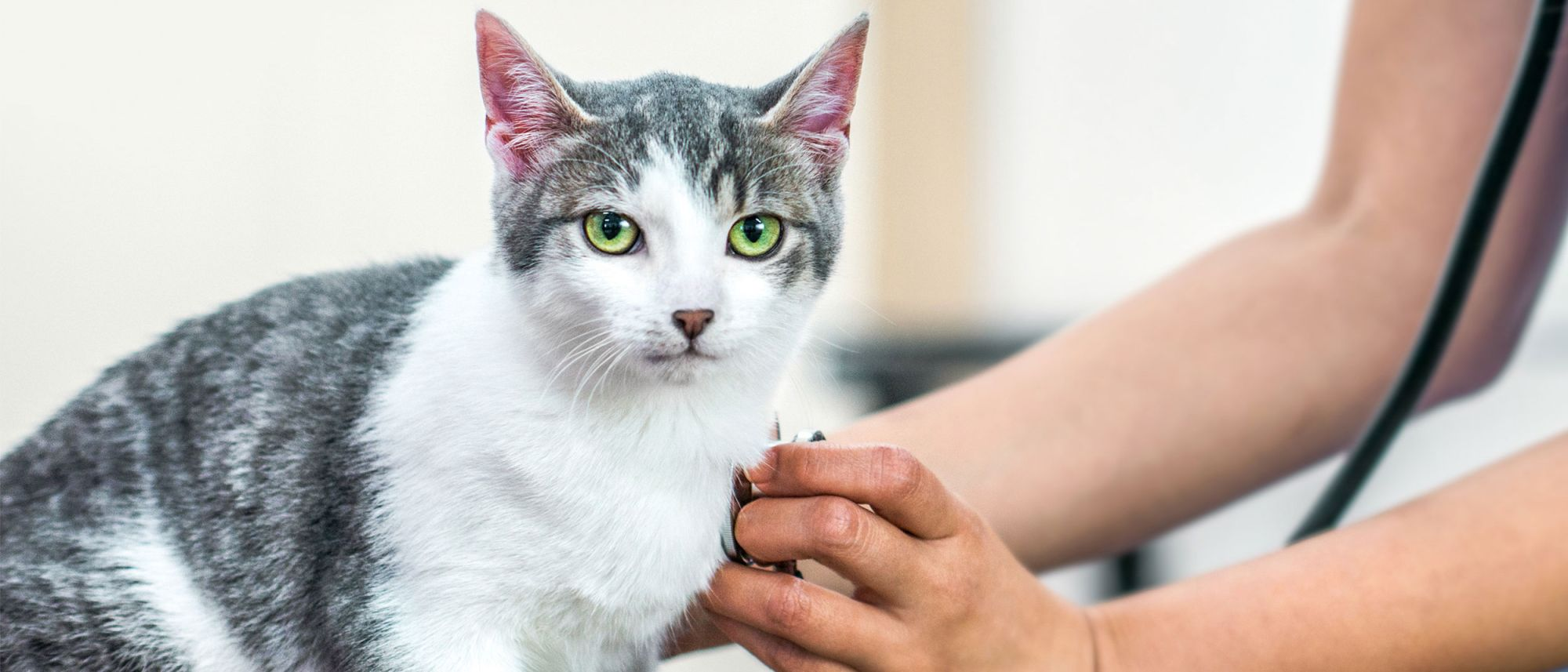
Kitten development from birth to adulthood
Understanding the amazing transformation your kitten goes through as they mature into adulthood will ensure they get the right nutritional balance at each stage of development.
Birth
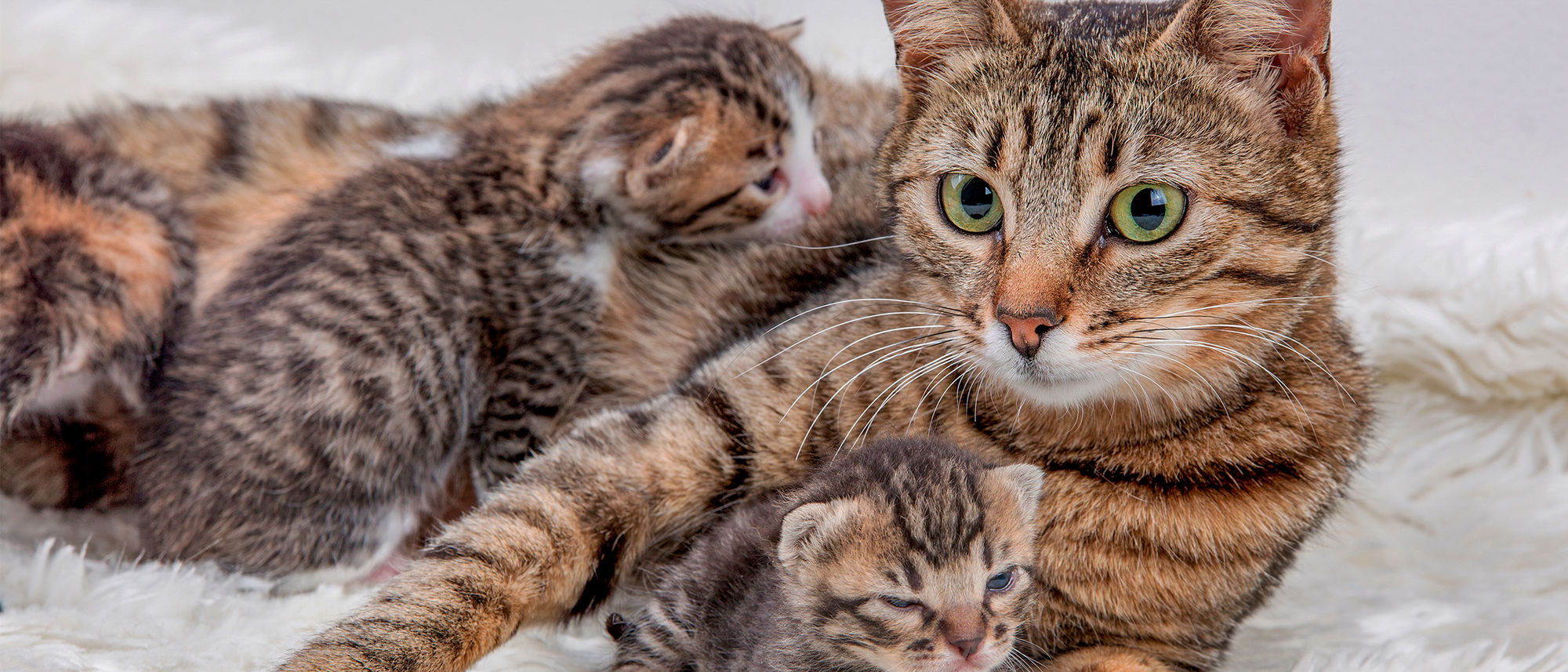
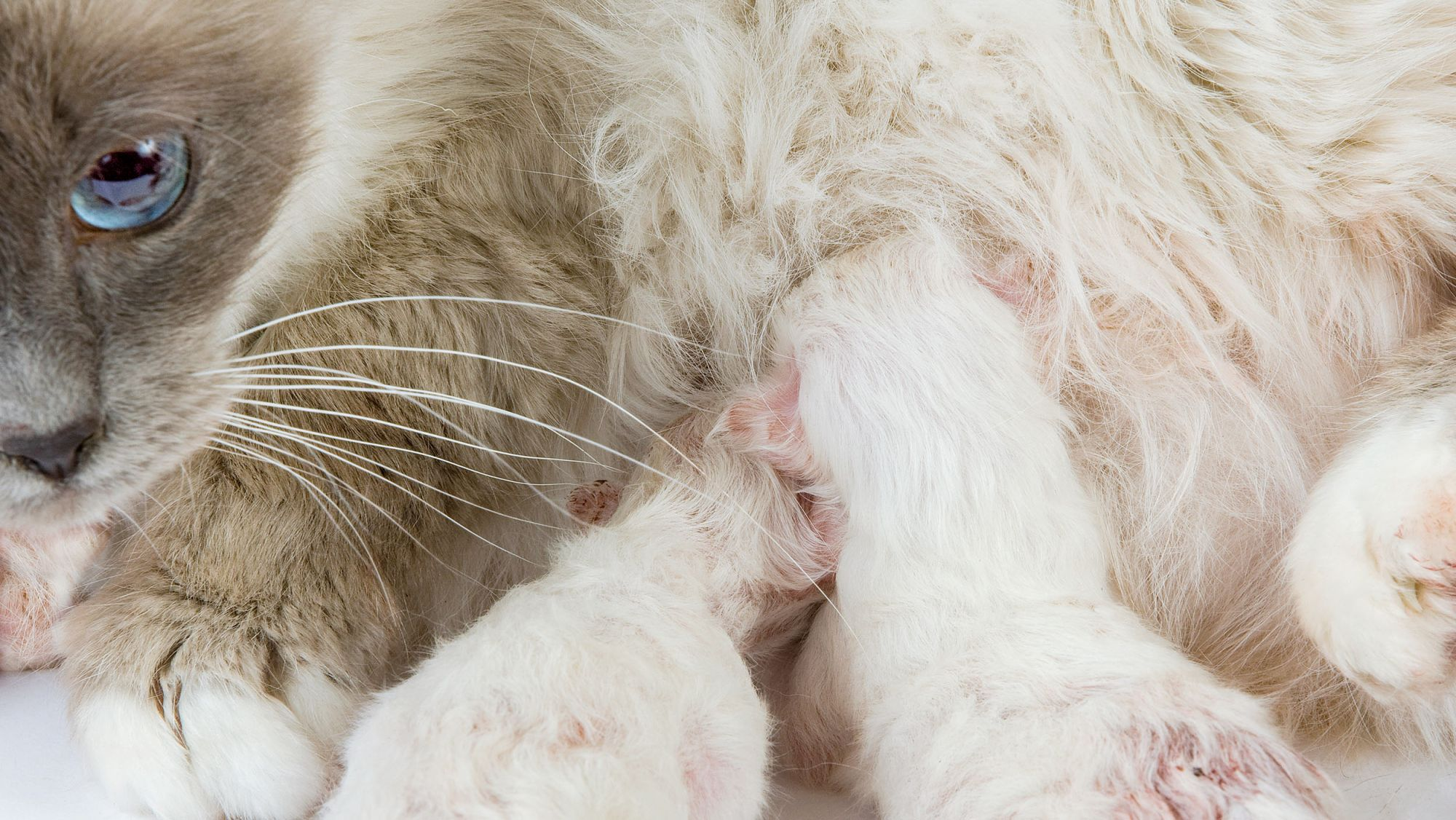
Immediately after birth, kittens should be guided to suckle. The mother passes important nutrients to their litter in these first hours and days which supports their healthy development.
Birth
Nutrition
Once kittens are delivered, they should naturally crawl towards their mother and start to suckle. In doing so, they will ingest colostrum, a component of their mother's milk that is rich in antibodies and enhances the immune system.
Birth
Health
At birth, the risks for newborn kittens are two-fold: they may suffer a lack of oxygen for varying durations due to abruption of the placenta and they come into immediate contact with surrounding bacteria and viruses having left the uterus. The breeder must take careful hygiene precautions, ensure the birthing pen is appropriately prepared, and monitor the birth of the kittens to limit the impact on neonatal health.
Birth
Behaviour
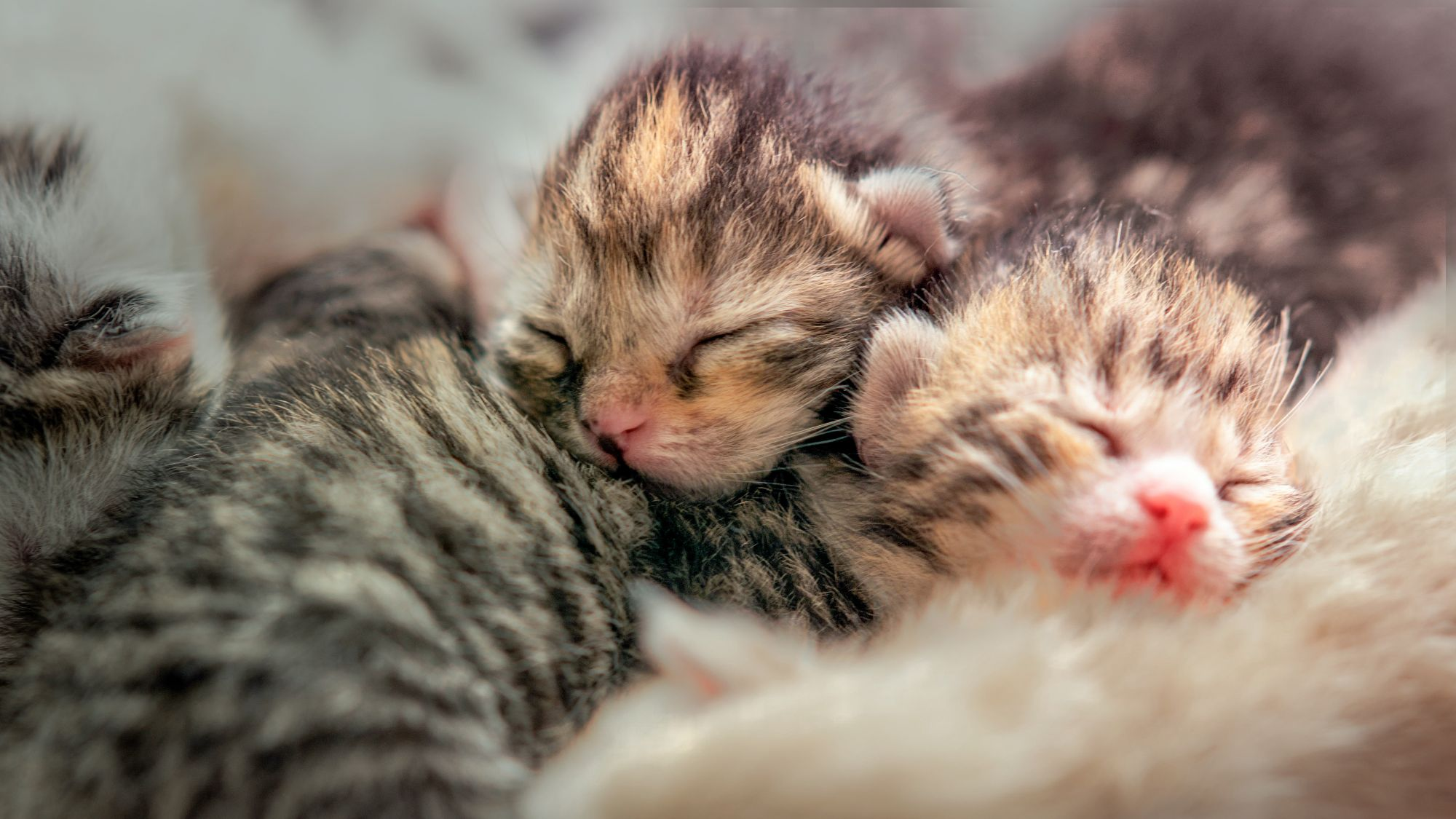
Although kittens are born without the use of their ears or eyes, they exhibit a number of reflexive behaviours at this early stage. A kitten is already able to navigate their surroundings, relying on scent and touch. They are able to keep warm by nestling with their mother, and gain nourishment by suckling.
Birth
Development
Kittens should be born at around 2 - 3% of their mother's weight. In the first days, the weight increases daily by approximately 10% of the birth weight. Males are often heavier and grow faster. Kittens are born blind and deaf. They will find their mother for shelter and nutrition.
Birth
Environment
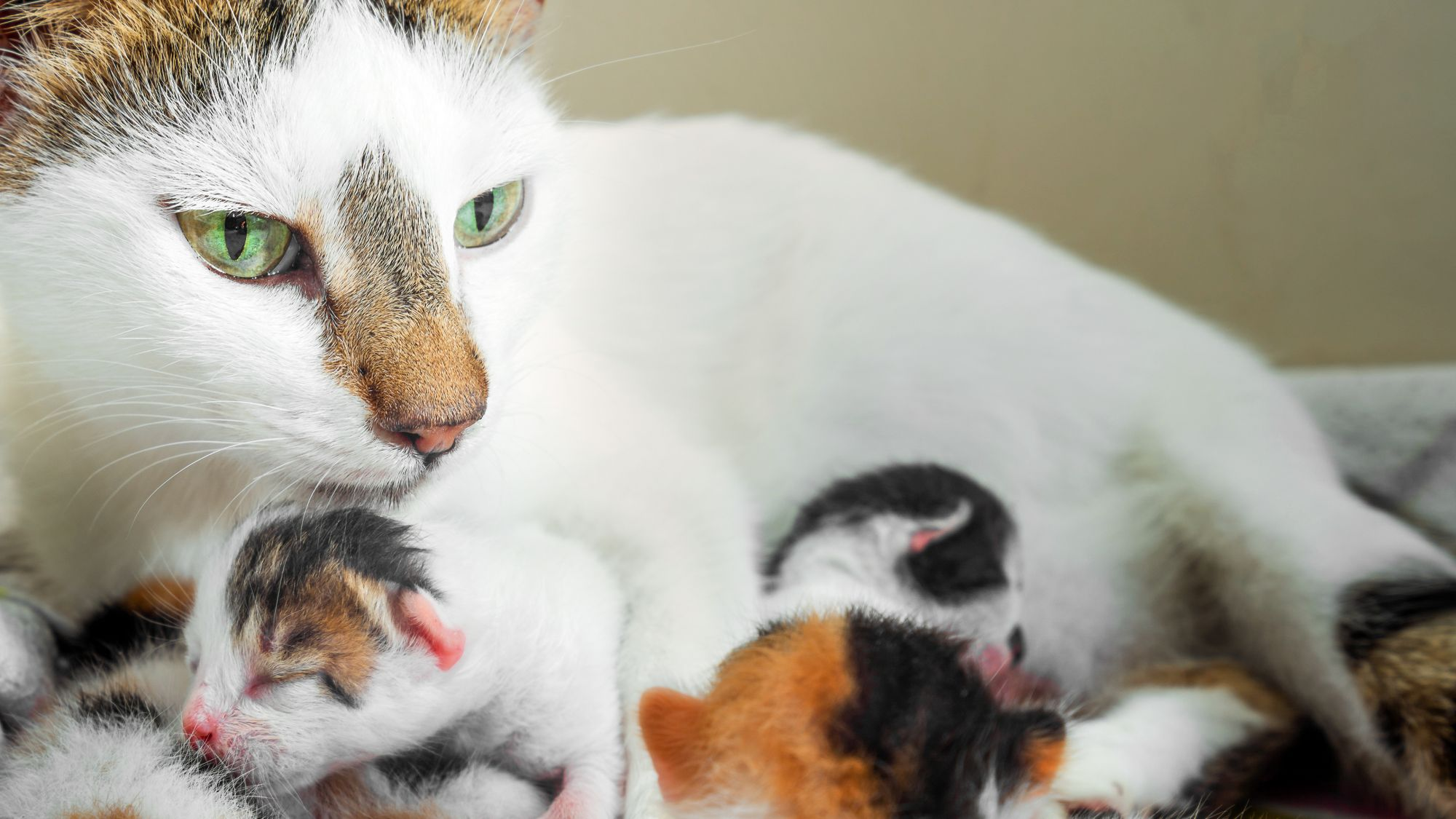
Newborn kittens should be kept with their mothers full-time to keep them warm, clean and fed. Their pen should be around 22°C to reduce the risk of hypothermia, and ideally needs to have 65-70% humidity.
Neonatal
Newborn kittens stay close to the safety and warmth of their mother and litter-mates. Their time is spent sleeping and feeding.
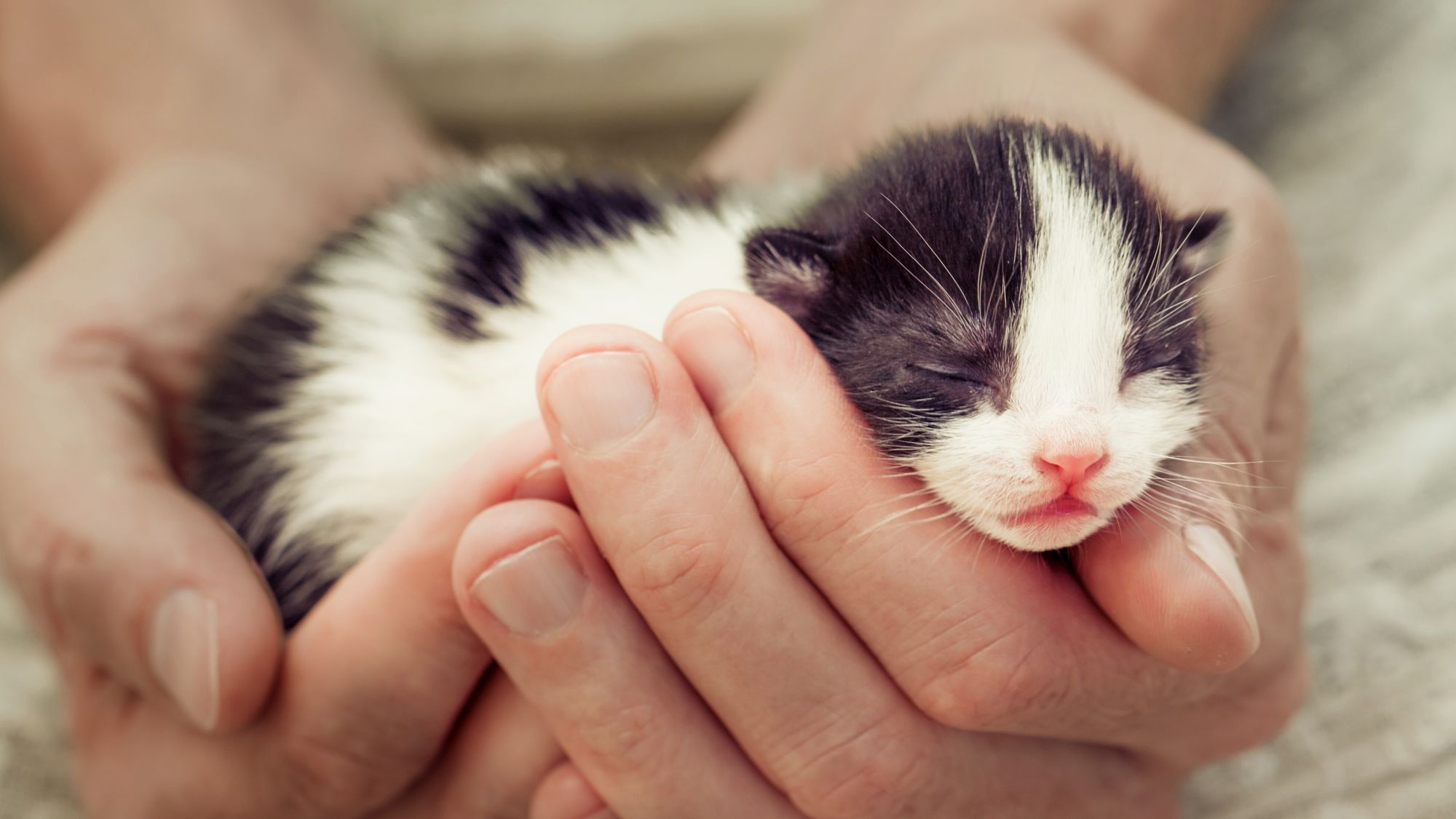
0 - 3 weeks
Health
In the first days of life a responsible breeder should make sure that the kittens are checked on by a vet. They will check for any birth defects or issues that need to be addressed. Separation from their mother and litter-mates during the neonatal stage can lead to poor physical and mental development, and problems with aggression. Deworming should be done monthly for the first six months of life.
0 - 3 weeks
Nutrition
At this stage, a kitten will continue to rely heavily on their mother's milk to support their immune system and provide them with the key proteins needed to aid their development. In the first four weeks a kitten may begin to drink water, so a shallow bowl should be kept on-hand nearby.
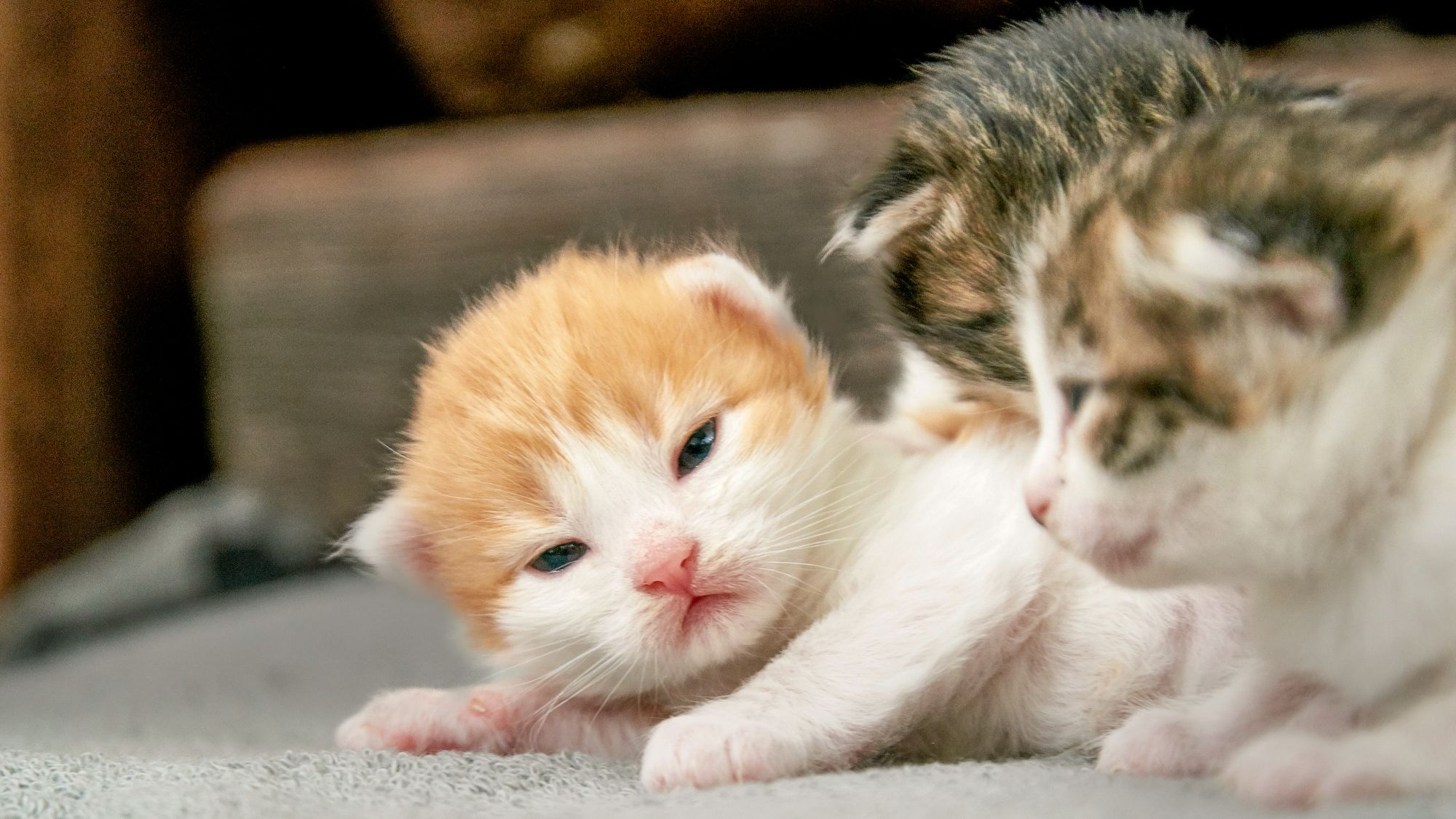
0 - 3 weeks
Behaviour
During this stage kittens sleep for large parts of the day - around 90% of their time in the first few weeks. Movement is limited to crawling towards their mother for warmth and milk. Purring and other vocal traits are evident.
0 - 3 weeks
Development
At around five days old, the kittens will begin to open their eyes. Their umbilical cord will drop off around one week after birth. This is also the time when they start to gain between 10g to 30g each day.
0 - 3 weeks
Environment
A clean, calm and warm environment is key in the first weeks. If there is too much noise and distraction, sleep and feeding patterns can be disrupted. Keeping a kitten’s body temperature above 34°C is vital. If a kitten's temperature drops below 34°c they can no longer digest milk effectively, and when it drops below 32°c the suckling reflex is lost and normal feeding stops.
Weaning
A kitten’s physical development speeds up and the weaning process begins. This is a vital stage for learning from their mother and siblings.
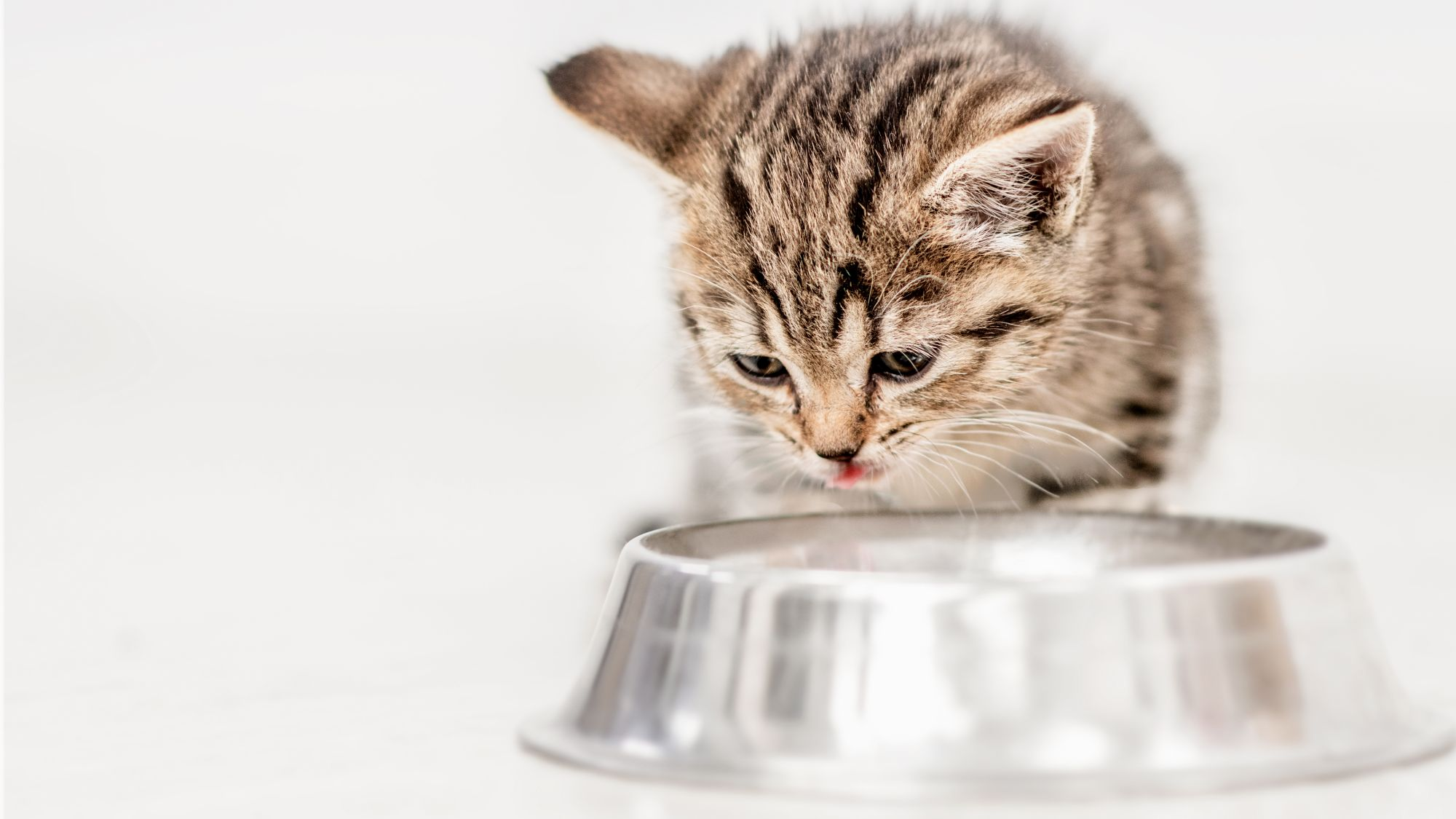
4 - 8 weeks
Nutrition
As a kitten's milk teeth develop, the weaning process begins. After a while the kittens will begin to show an interest in their mother's solid food and they can begin to transition from a milk-only diet. Their immature digestive system means that it's important they get easily digestible food that meets the specific nutritional needs of this stage.
4 - 8 weeks
Health
During this stage the “immunity gap” occurs. At this time, when the level of antibodies provided by the mother are no longer enough to guarantee the kitten is protected, but too high to ensure a vaccination will be effective, the kitten is more vulnerable to disease. Sleep helps to strengthen their immune system, so ensuring kittens have a warm, comfortable and quiet place to sleep is vital.
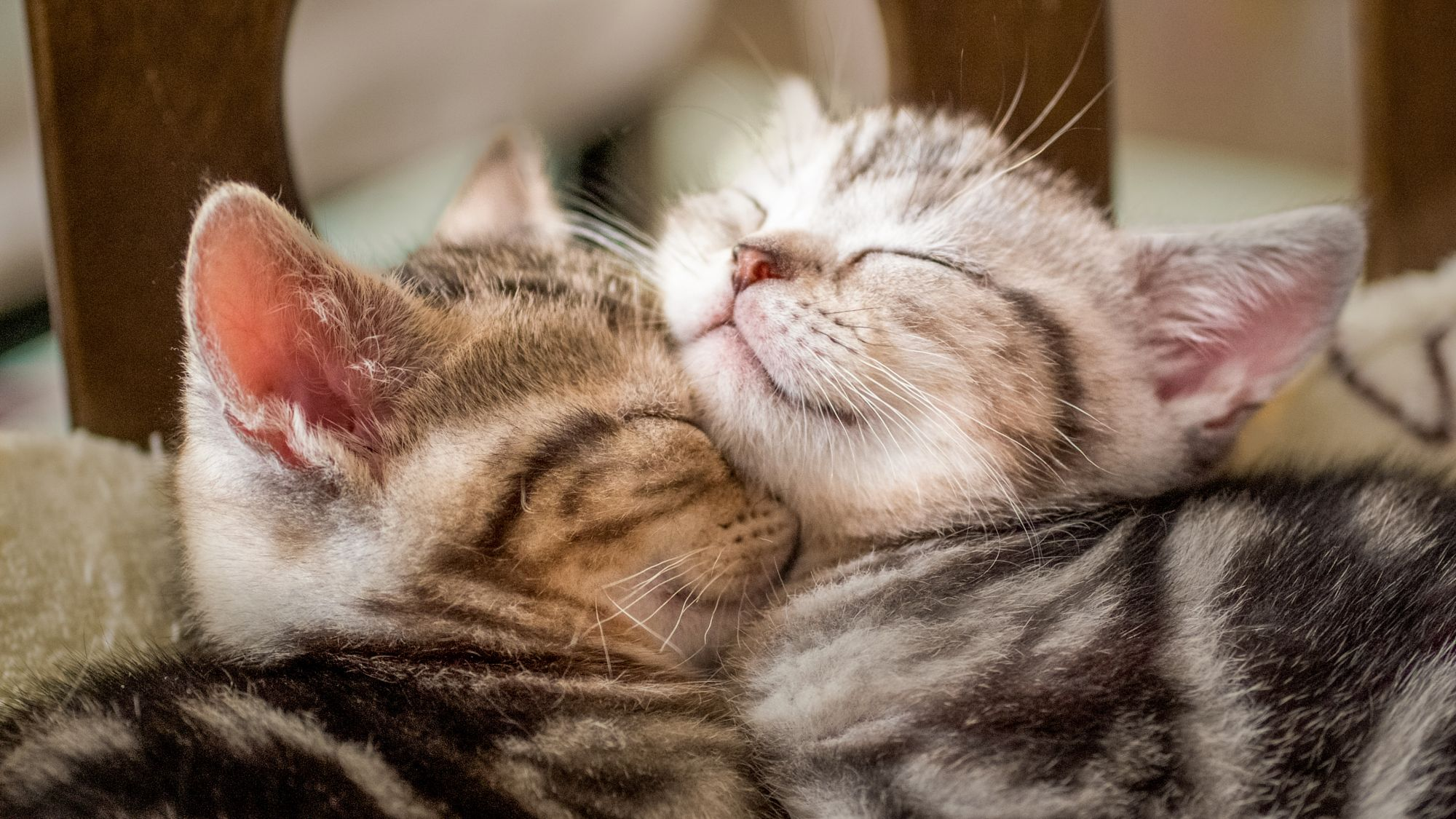
4 - 8 weeks
Behaviour
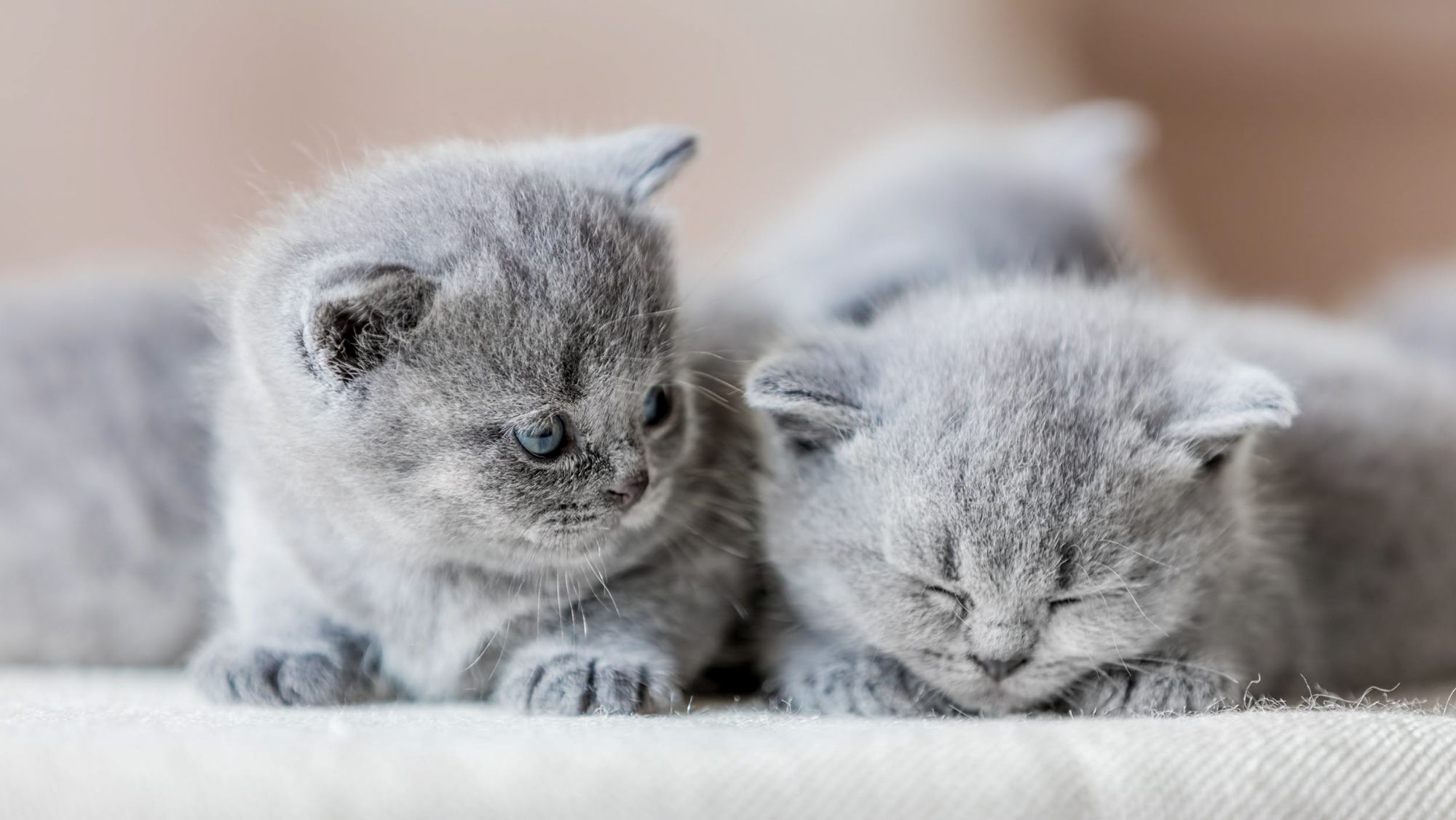
As this stage progresses, kittens start to interact more with their litter-mates, and they begin mutual grooming. They will start to actively play, exhibiting running, pouncing and stalking behaviours. At this stage their sight is fully mature.
4 - 8 weeks
Development
By the fourth week, smell is fully mature and hearing is well-developed. By the sixth and seventh weeks they begin to develop adult sleeping patterns and motor abilities. Key social skills develop through interaction with litter-mates, and learning is achieved through observation of their mother’s behaviour.
4 - 8 weeks
Environment
As kittens become more mobile and adventurous, it is important to ’kitten-proof’ the environment. This is also a key learning stage, so making sure kittens have access to toys and other stimulation is key. Regular handling and interaction with different humans will aid their confidence as adults.
Intense Growth
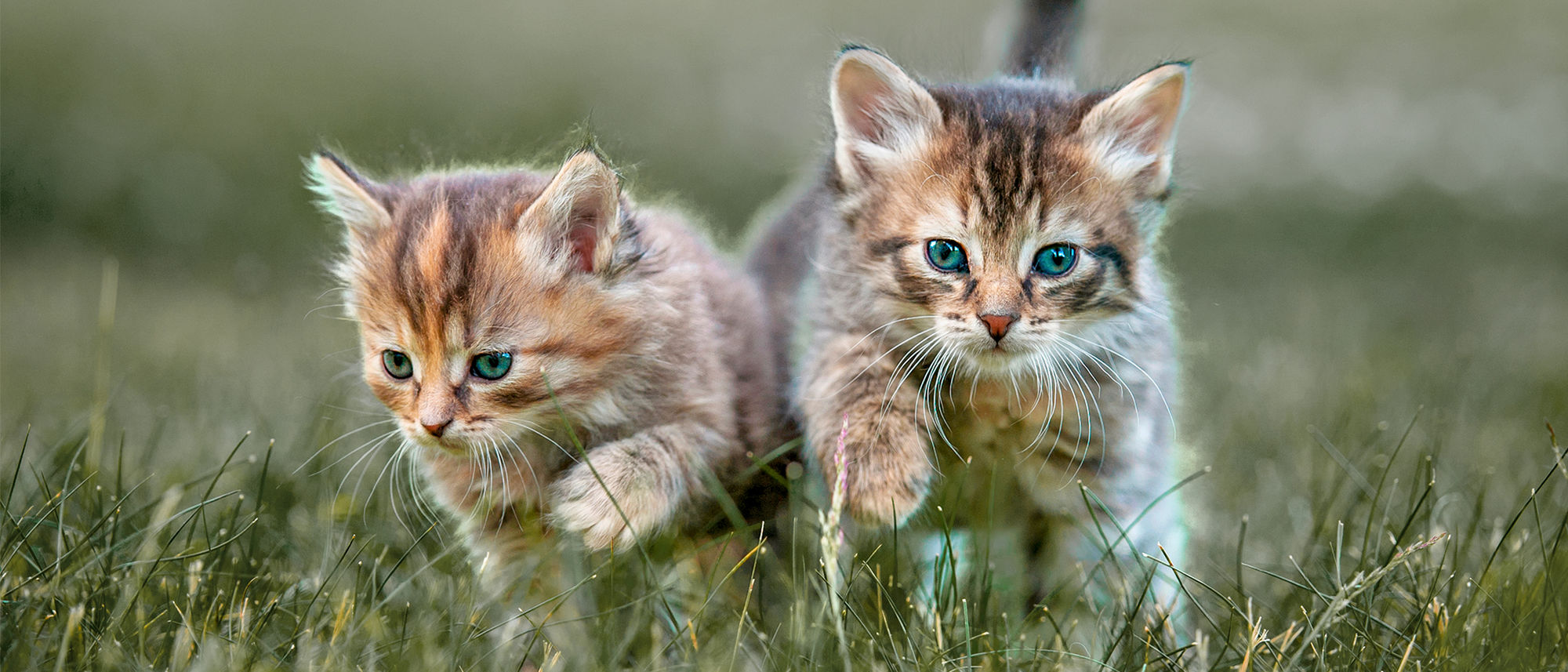
The kitten starts to understand its place in the world and develops behaviours that will stay with them for life.
2 - 4 months
Health
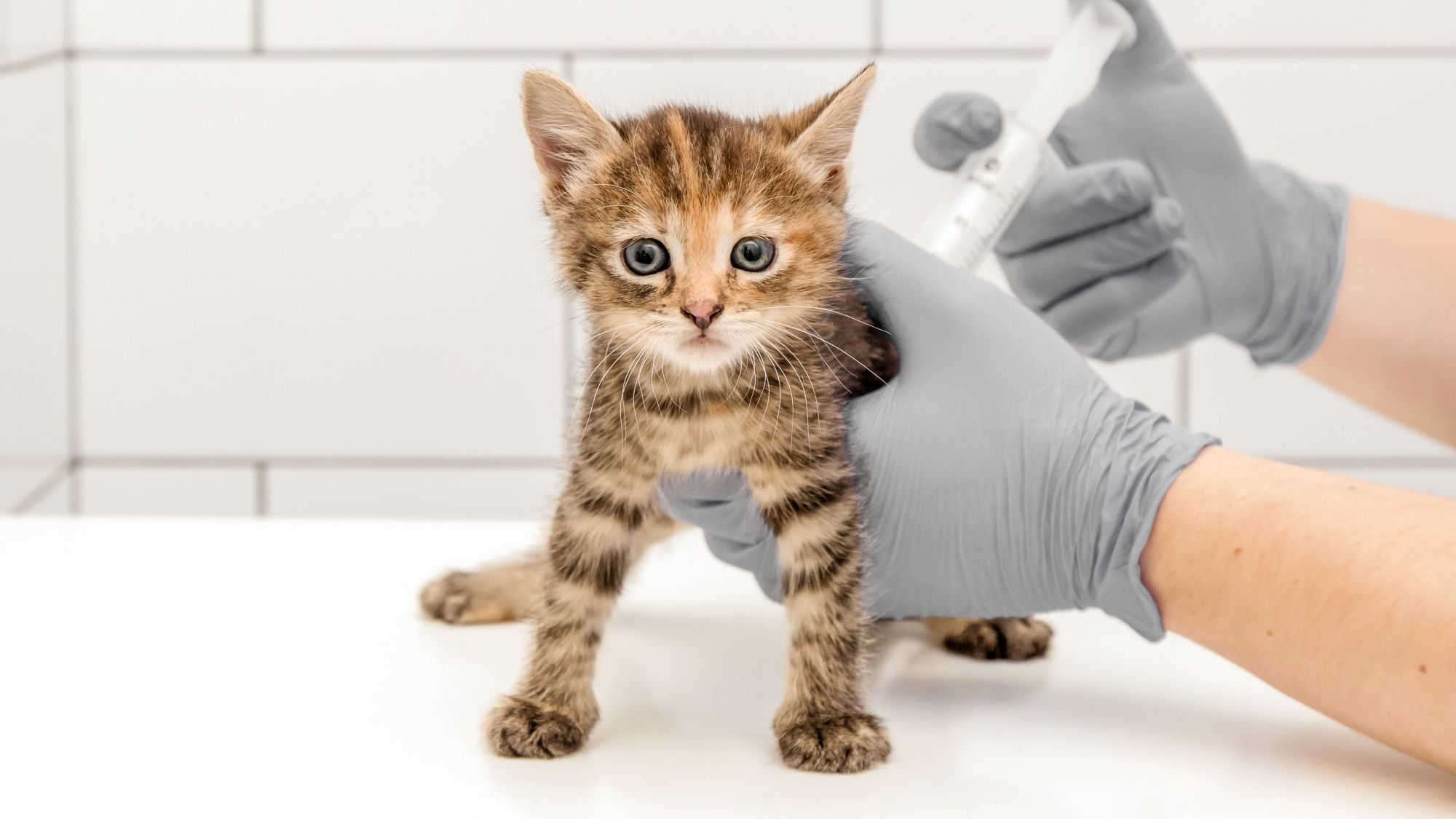
From around eight weeks, your kitten will be at the ideal age to begin their core vaccinations, with secondary injections required three to five weeks after. This is an important process in ensuring each kitten has the right protection for their adult life. Consult your vet to make sure a vaccination schedule is in place.
2 - 4 months
Nutrition
Some nutrients still can’t be digested, so ensuring that the kitten has food tailored to their developmental stage is important. This makes sure that they get the nutrients and energy they need during this vitally important developmental phase.
2 - 4 months
Behaviour
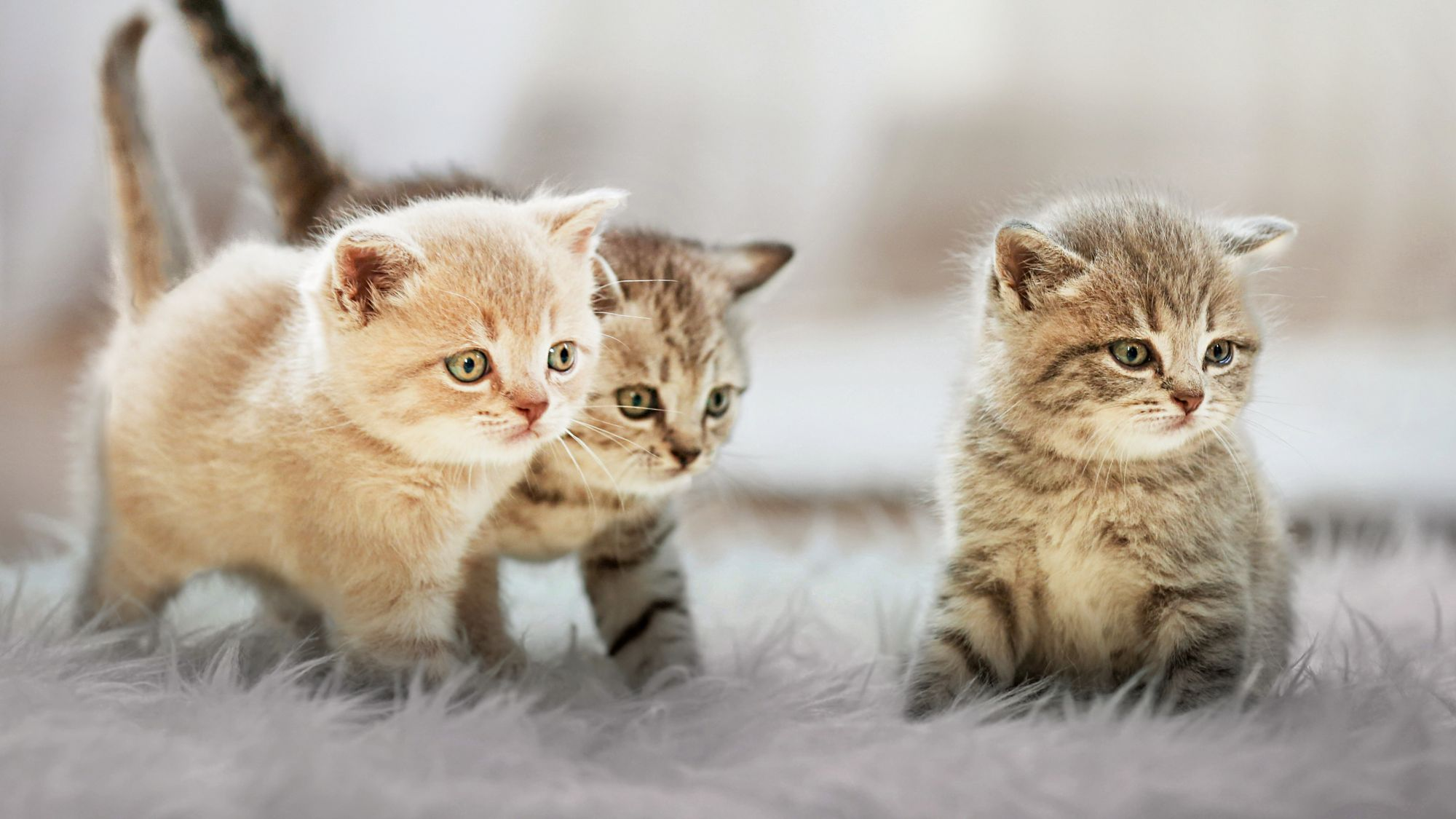
This is the stage at which the kitten’s behaviour is most influenced by others, including litter mates, other pets and humans. They also begin to understand their position within the household and may begin to form dominant and submissive behaviours depending on their experiences and training.
2 - 4 months
Development
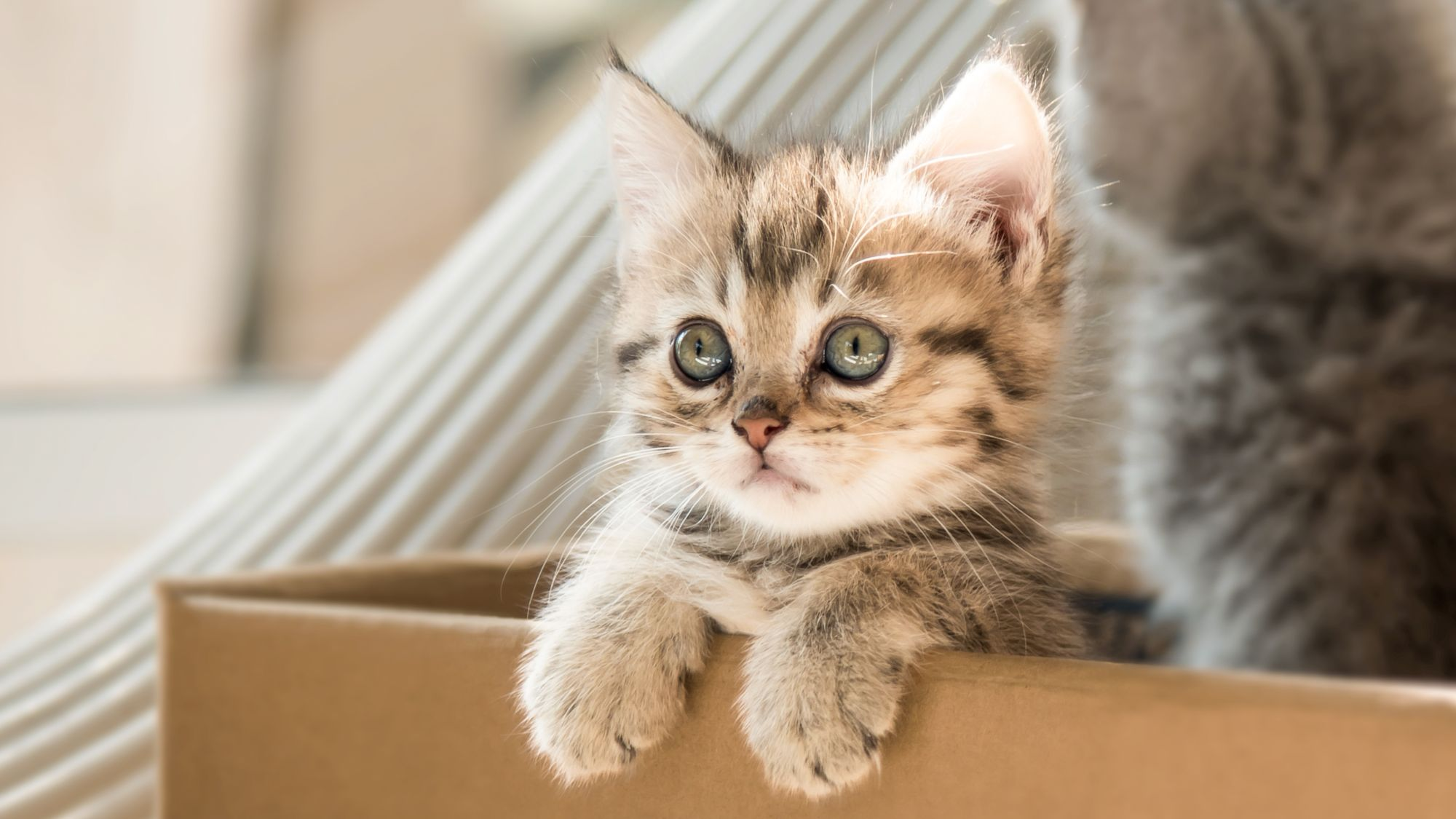
This is a key stage in its development of human relationships, so ensuring consistency and offering support and affection is key. Effective socialisation at this stage is key to raising a well behaved and happy cat.
2 - 4 months
Environment
Kittens can begin to be moved away from their mother and introduced to new homes at around 8 weeks. Depending on the reeder, this could be up to 12 weeks. If you are bringing a kitten home, it’s important to make sure that their new environment is fully prepared, with electrical wires and sockets covered, windows, balconies and stairs secured and any sharp or small objects tidied away.
Sustained Growth
Adulthood approaches, and the kitten gradually reaches full physical maturity.
4+ months
Health
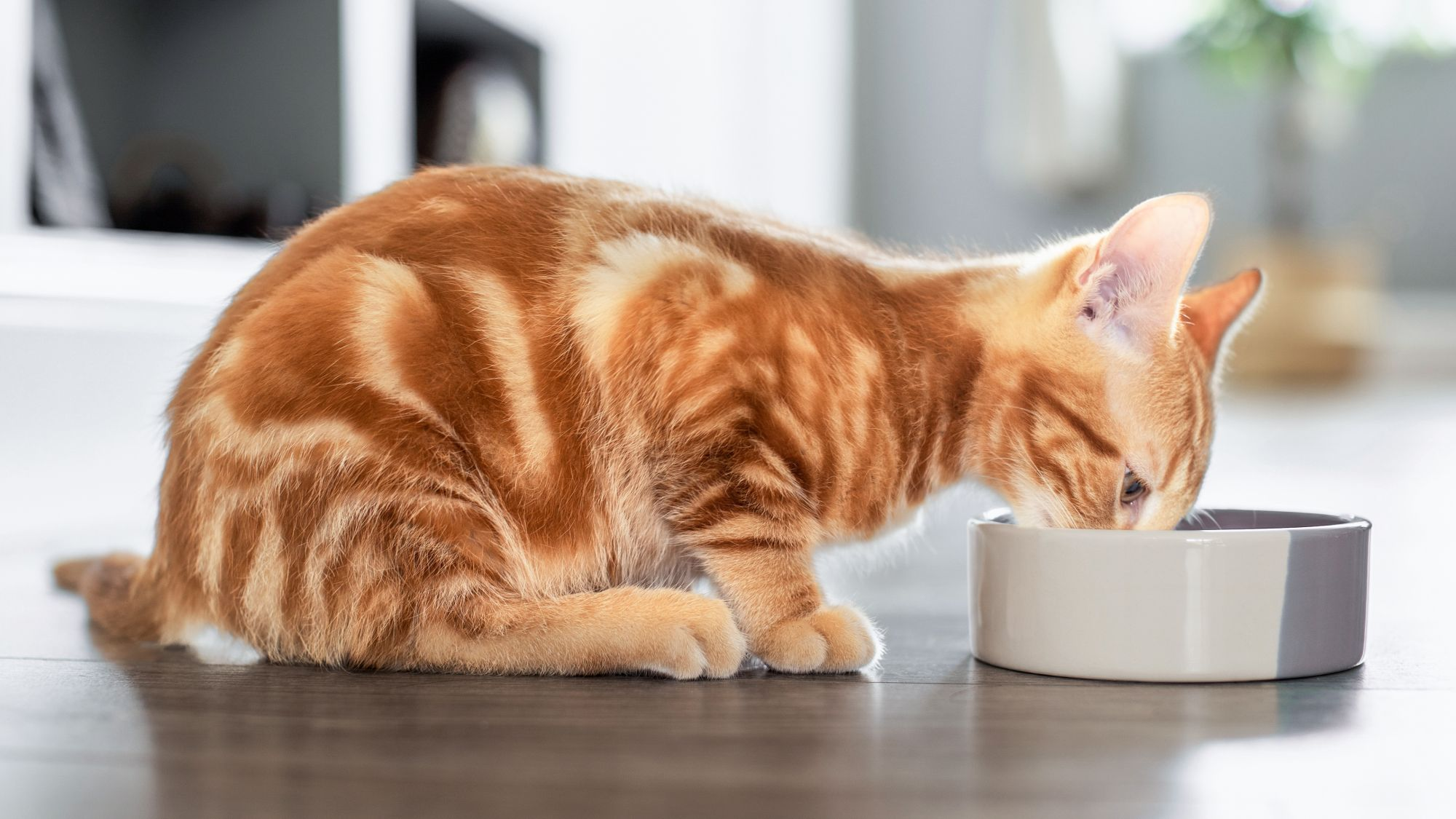
During this period cats begin to scent mark through spraying and rubbing the glands on their cheeks against objects, other animals and humans. This is the signal that puberty is starting. Neutering should now be discussed with your vet.
4+ months
Nutrition
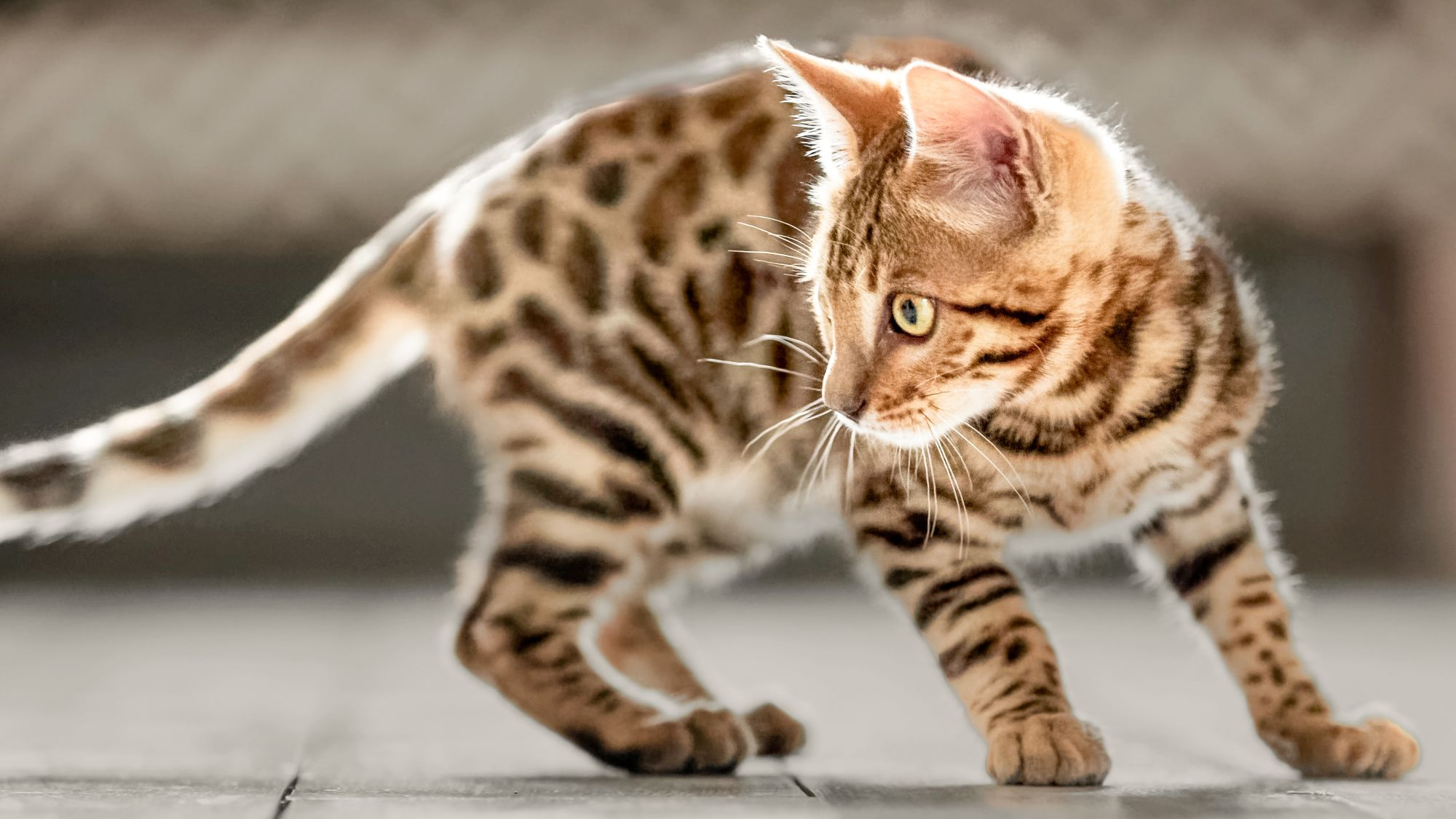
As the kitten approaches physical maturity and gets close to its full adult weight, it will need to transition to adult food and adult portions. The nutritional balance will be dependent on their size and metabolic factors such as whether they are allowed outdoors and whether they’ve been neutered.
4+ months
Behaviour
As the cat begins to approach physical maturity, there is increased exploration of dominance within the household. This will include challenging the status of humans and other pets. It is important that as an owner you maintain the routines and behaviours set in the early months of its life to ensure consistency and manage stress.
4+ months
Development
At this stage your kitten will begin to develop 30 adult teeth. If it hasn’t been neutered, sexual maturity is reached at six months, and sexual cycles and mating behaviours begin. By eight months the kitten will have reached 80% of its adult weight. Depending on the breed, adulthood is reached between 12 to 15 months.

4+ months
Environment
If kittens have had all their vaccinations and once they reach around six months old, you can begin to introduce them to the outside world. A phased approach to this is best. Until kittens are confident in their surroundings, it is best to stay with them when they are outside. When they feel confident they will begin to venture further. As a rule, male cats have a wider range, while females stay closer to home. At this stage, consistent owner behaviour and discipline is important.
Becoming an adult
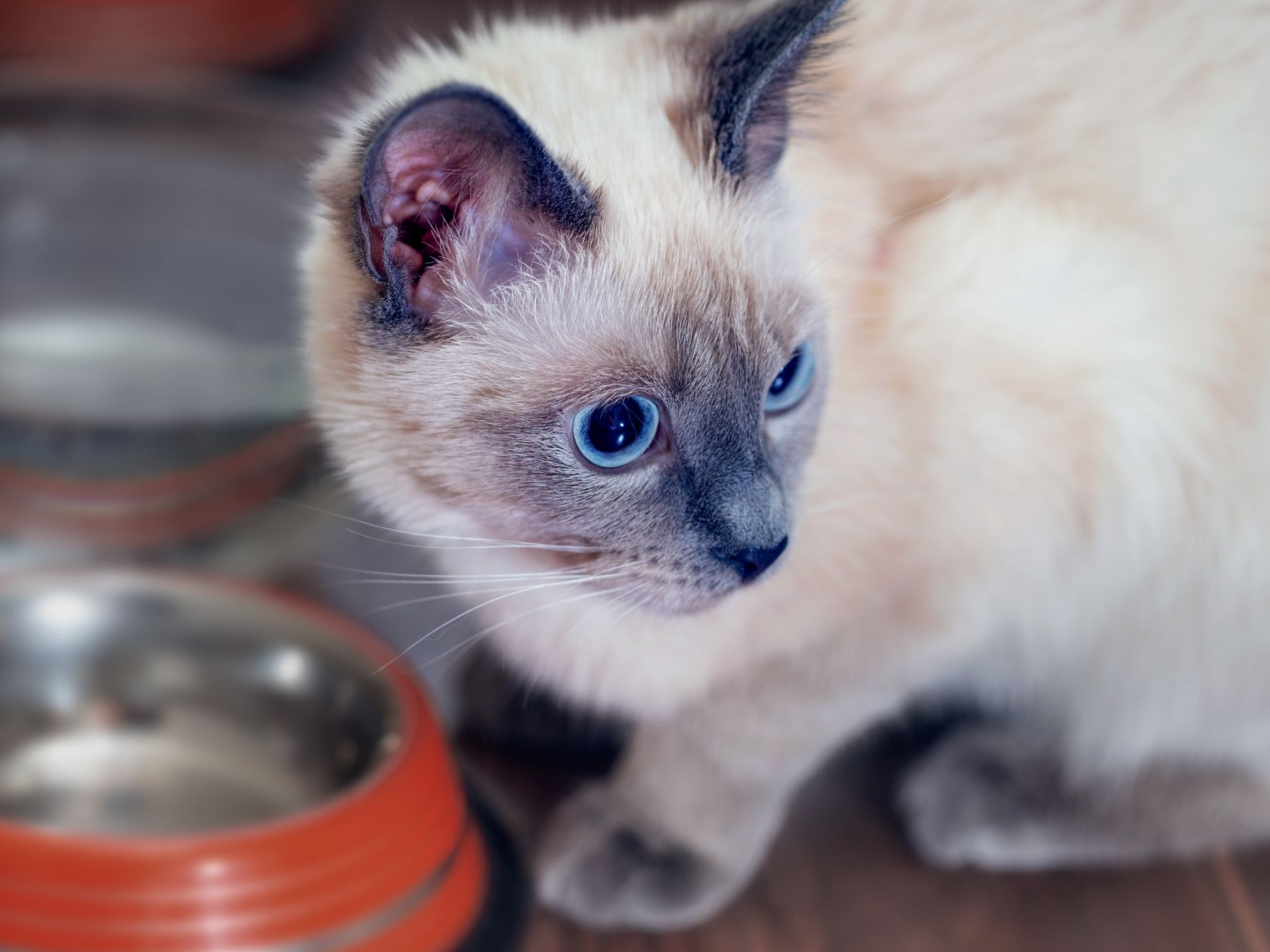
By the time a kitten reaches their adult weight, they will have multiplied their birth weight by 40-50 times.
12-18 months
Becoming an adult
Kittens become adults at around 12 months old, with larger cat breeds not achieving adulthood until 15 months old. As a kitten transitions to an adult cat, it is now time to gradually move them to a diet that supports the nutritional requirements of their breed and lifestyle.

Kitten Growth Program
Discover our ROYAL CANIN® Kitten Growth Program, a 3-stage feeding program created for all kittens up to one year old to feed their specific needs.

Find the right food for your cat
Our adult cat formulas deliver nutrition tailored to your cat's health needs whatever their size, breed, age, or lifestyle.